
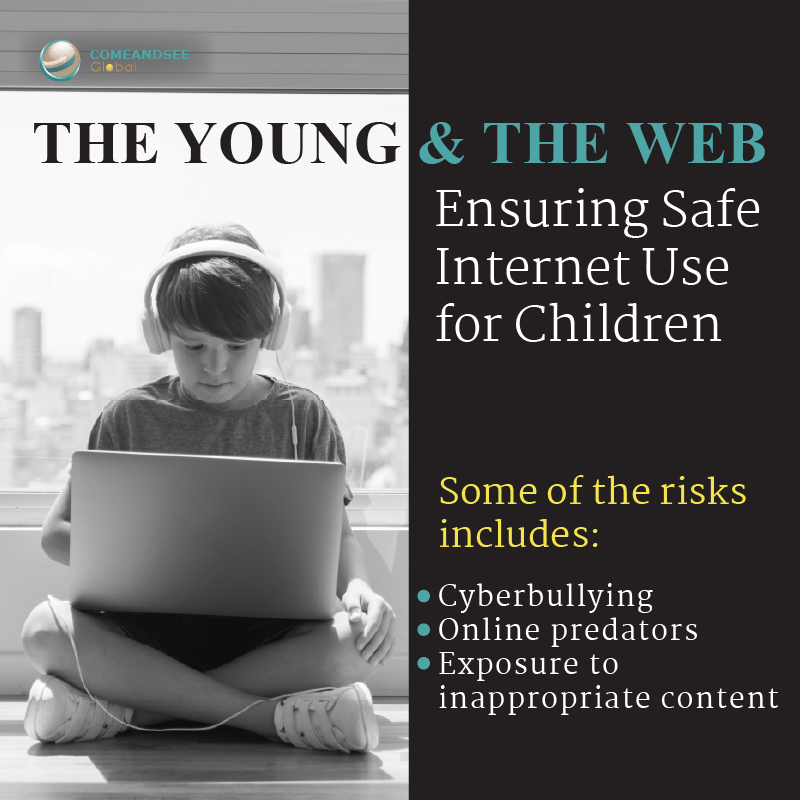
Every 7th of February, we celebrate Safer Internet Day – a day aimed at promoting and encouraging responsible and safe use of online technology by children and young people worldwide. With the Internet becoming increasingly accessible, it poses potential risks and dangers to children who have unlimited access to it. A report by UNICEF in 2019 stated that globally, one in three children is an internet user, and one in three internet users is a child under the age of 18.
However, the freedom and accessibility of the Internet can expose children to potential risks such as:
- Cyberbullying – According to security.org (2023), of all the social media platforms, YouTube has the highest rate of cyberbullying among children (79%) followed by Snapchat (69%), TikTok (64%), and Facebook (49%).
- Online predators – They are irresponsible individuals that seek contact with children and adolescence on the internet for abusive and exploitative purposes.
- Exposure to inappropriate content – Information or images that distress your child, materials intended for adults, misleading content, or content that could persuade or tempt your child to engage in illegal or dangerous behaviour are all examples of inappropriate content. According to research by Martellozzo et al. (2016), 56% of 11 to 16-year-olds have accessed explicit content online.
These risks negatively impact a child’s safety and well-being as they can cause psychological harm, trauma, anxiety and depression. When children are repeatedly exposed to this content, they would be desensitised and unfamiliar with the societal norms and values, and thus, affecting their understanding of what is right or wrong. These inappropriate materials can lead children to become less sensitive to violence, sex or other harmful themes. Additionally, poor academic performance due to lack of focus and reduced attention span, resulting in unwanted trauma and social complications.
To prevent such incidents, parents and guardians should educate their children on safe Internet use and how to protect themselves. Some ways to educate their children include:
- Telling them to inform whenever any strangers interact with them online
- Advising them not to give out personal information such as their full name, address, phone number, or birth date
- Checking with parents before filling out membership forms on gaming websites and online competition forms
- Asking before downloading a new app and checking privacy settings to protect personal information
Open and honest communication between parents and children is important when it comes to internet use. Parents are encouraged to have regular conversations with their children about internet safety as it can help to ensure that they stay informed and aware of any potential risks.
In addition to educating and communicating with their children, parents can also protect them by:
- Monitoring their internet use
- Ensuring the websites accessed are secure
- Guarding their personal information
- Setting up parental controls
- Keeping everything up to date by ensuring all devices, software, and firmware are up to date.
Keeping children safe on the internet is a task that needs a lot of patience for parents as it involves a lot of trust and assurance between children and their parents. Teaching the youth on internet safety will spare them the complication they might encounter when exposed to the consequences of irresponsible or unsafe use of the Internet. This will eventually raise them to be responsible and prepared adults who are able to make rational decisions in their daily lives.